
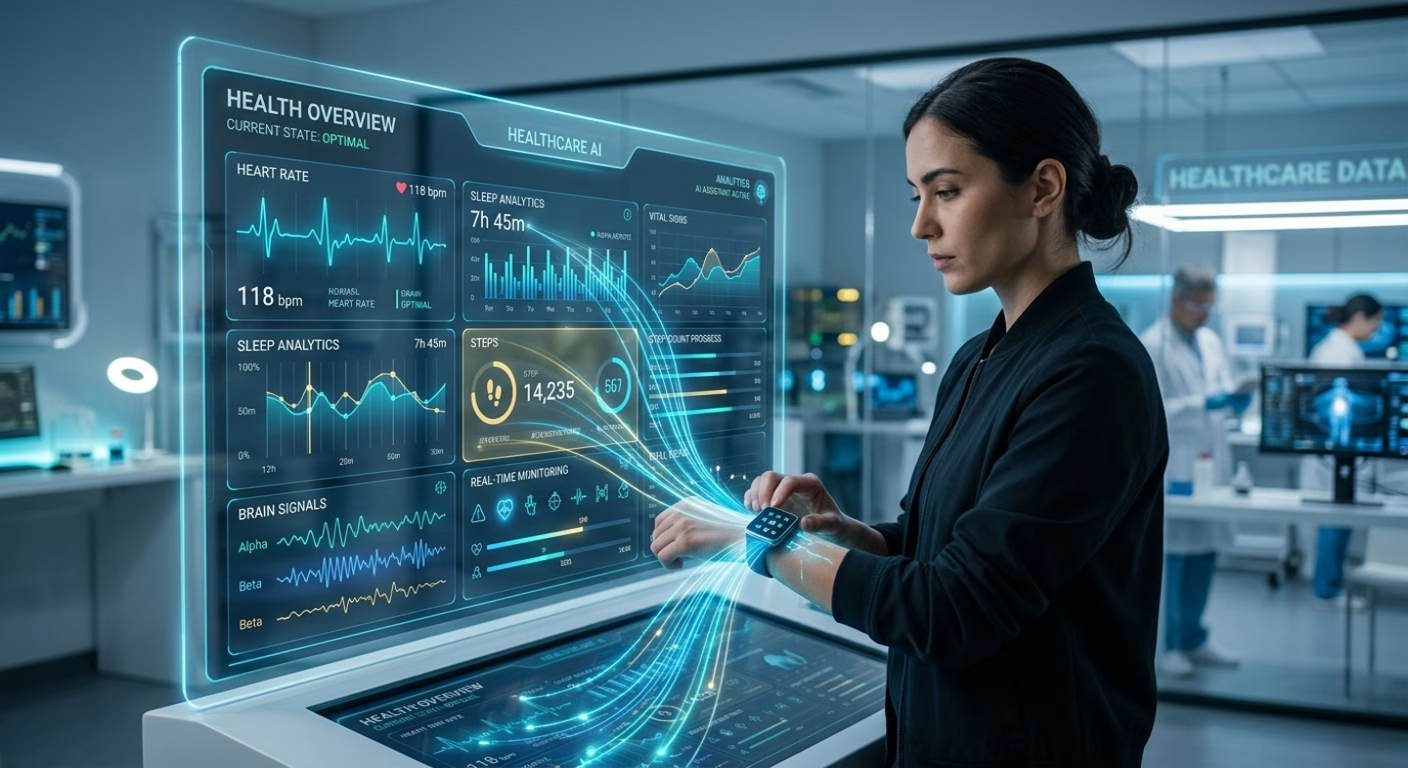
Healthcare is no longer limited to hospitals and lab tests. Today, health data is generated throughout the day as people go about their normal routines. Smartphones, wearable devices, and health apps continuously collect signals about how the body functions.
These signals are known as digital biomarkers. They help doctors, researchers, and healthcare technology companies understand health patterns using real-world data. As artificial intelligence grows, digital biomarkers are becoming a key part of modern healthcare.
What Are Digital Biomarkers?
A biomarker measures what is happening inside the body, like heart rate or glucose levels. A digital biomarker is collected through devices like wearables and apps, capturing real-time data during daily life and helping detect patterns and early health changes.
How Everyday Data Becomes a Health Indicator
Many people generate digital health data without realizing it. Simple daily activities can reveal meaningful health insights.
- Physical activity: Step count and movement patterns show fitness levels. Sudden drops may indicate illness or fatigue.
- Sleep patterns: Changes in sleep quality can be linked to stress, mental health, or metabolic issues.
- Heart rate monitoring: Wearables can detect stress levels or cardiovascular changes.
- Behavioral signals: Typing speed, voice patterns, and phone usage may help identify early neurological conditions.
When analyzed over time, these signals act as reliable digital biomarkers.
Why Digital Biomarkers Matter
Digital biomarkers offer a more complete view of health compared to traditional tests. Instead of one-time measurements, they provide continuous monitoring.
This helps in enabling early detection, remote monitoring, and real-time care, shifting healthcare from reactive to proactive.
The Role of Data Annotation in Digital Health
Digital biomarker systems generate complex data that AI cannot interpret without structure. Expert data annotation organizes this data, enabling accurate pattern detection and reliable health insights.
High-quality medical data annotation transforms raw digital signals into meaningful and reliable health insights.
Challenges in Using Digital Biomarkers
Despite their potential, digital biomarkers come with challenges:
- Data privacy concerns due to sensitive personal health information
- Accuracy limitations in consumer-grade devices
- Bias in datasets that can affect AI reliability
These challenges highlight the need for secure systems and high-quality annotated data.
The Future of Digital Biomarkers
Digital biomarkers are still evolving, but their impact is growing. As wearable technology improves, more precise health signals will be captured in real time.
In the future, healthcare systems may use digital biomarkers to:
- Predict disease risks early
- Personalize treatments
- Monitor recovery continuously
This shift will make healthcare more preventive, accessible, and data-driven.
Conclusion
Digital biomarkers are transforming how health is tracked, with everyday data playing a key role in early detection and care. Accurate insights depend on high-quality data annotation.
Medrays supports healthcare AI with precise medical data annotation, enabling reliable digital biomarker solutions.
Partner with Medrays to build smarter, data-driven healthcare systems.